Venturi flow meters are based on the concept of the Venturi effect, which states that a reduction in fluid pressure occurs when a fluid flows through a constricted section of a pipe. The fluid’s velocity increases as it passes through the constriction, following the principle of the conservation of mechanical energy. The amount of energy accumulated by the increased velocity is balanced by a drop in pressure. A measurement of the change in pressure provides the flow rate of the fluid. Read More…
Sierra manufacturers high performance mass flow meters and controllers for nearly any gas, liquid or steam. Customers choose Sierra when they need an accurate and repeatable flow measurement, short delivery lead times, expert flow advice and long term support. When it matters, choose Sierra. Visit www.sierrainstruments.com.
Aalborg Instruments & Controls is a globally recognized manufacturer of precision instrumentation for flow measurement and control. We offer variable area flow meters, thermal mass flow controllers, and more. Since our founding in 1972, it has been our commitment to develop, produce and deliver the highest quality products and services, as well as consistently meet or exceed customer...
Ryan Herco Flow Solutions is a leading national distributor for fluid handling products. Our family of products include; Flowmeters, sensors, instrumentation tubing and hose, process pipe and fittings, valves, pumps, filters and filter systems, storage and drums, and corrosion resistant structural products. We have 29 U.S. Service Centers ready to serve you.

Our flow meters are meticulously designed with you in mind. Our products have an unrivaled reputation, because we spend hundreds of engineering hours working on new and better ways to improve our products. No matter what you need, we can get if for you! Our staff is dedicated to helping you every step of the way. Contact us today for more info!
We are ONICON Incorporated, a leading manufacturer of flow meters and energy measurement systems. Our products and solutions are used in a wide range of applications, including HVAC, building automation, and industrial processes.



More Venturi Flow Meter Manufacturers

The pressure drop created by a Venturi flow meter is measured using a differential manometer pressure sensor. Calibration of the pressure drop is the flow rate of a fluid. Venturi meters are widely recognized in the field of industrial flow measurement and are essential for accurate monitoring of liquid and gas flow in a variety of applications, including water treatment plants, oil and gas pipelines, chemical processing, HVAC systems, and food and beverage manufacturing. Their accuracy, reliability, and low maintenance requirements have made them a preferred solution for both custody transfer and process control operations.
What Is a Venturi Flow Meter?
A Venturi flow meter is a type of differential pressure flow device that uses the Venturi effect—a reduction in fluid pressure that results when a fluid flows through a constricted section of pipe. Its core function is to measure the volumetric flow rate or mass flow of a fluid by taking advantage of the predictable relationship between velocity, pressure, and cross-sectional area. Venturi meters are frequently used for measuring the flow rate of liquids and gases in closed conduits, and are especially popular in scenarios where low pressure loss and high accuracy are required.
Bernoulli’s Principle
Bernoulli's Principle, or the Bernoulli effect, is one of the most important concepts regarding fluid dynamics and the relationship between fluid flow and fluid pressure. Fluid dynamics is the study of moving fluids, which is an essential aspect in regard to flow meters and the science of flow measurement.
Swiss physicist Daniel Bernoulli developed the theory that if a fluid's speed increases, its static pressure and potential energy must decrease to compensate. This aspect of fluid theory relates to Venturi flow meters in that the constriction in the flow meter increases the velocity of a fluid. By doing so, the pressure in the fluid drops. The difference in the pressure outside and inside the constriction provides the necessary data to determine the flow rate, making Venturi meters an ideal choice for precise and repeatable flow measurement in industrial processes.
How Does a Venturi Flow Meter Work?
A Venturi flow meter works by introducing a smooth, gradual constriction into the flow stream. As the fluid enters the constricted throat, its velocity increases and its pressure decreases, as predicted by Bernoulli’s equation. This pressure differential is measured using a differential pressure sensor or manometer. The flow rate can then be calculated from the measured pressure drop, the known geometry of the meter, and the properties of the fluid (such as density and viscosity).
Key steps in the operation of a Venturi meter:
- The fluid enters the meter’s converging section, accelerating as the passage narrows.
- At the narrowest point (throat), the velocity peaks and the pressure drops to its lowest value.
- The fluid then passes through the diverging section, where its velocity decreases and pressure partially recovers.
- The pressure difference between the inlet and throat is measured and used to calculate flow rate.
Venturi Flow Meter Construction
Venturi flow meters have a simple, robust design, with each component of the flow meter arranged systematically to ensure minimal pressure loss and maximum accuracy. The principal parts of a Venturi flow meter include a converging cone, cylindrical throat, and diverging cone. These sections are engineered for optimal flow measurement performance and long-term durability.

Converging Cone
The converging cone has a conical shape to connect to the throat and is attached to the inlet pipe or upstream flow. Its area decreases as its length approaches the connection to the throat. The angle of convergence is 20° to 22°, which is limited to avoid vena contracta. The decrease in the area of the converging cone causes the velocity of the fluid to increase and the pressure to decrease. This section is critical for minimizing the formation of turbulence and ensuring a smooth transition into the throat.
Cylindrical Throat
The cylindrical throat in the middle of a Venturi flow meter is a major part of its working mechanism. The diameter of the throat is 0.25 to 0.75 of the inlet pipe's diameter and is constant throughout its length. The throat is designed to maximize fluid velocity and achieve the lowest pressure point in the meter. This region is pivotal for accurate differential pressure measurement and is carefully engineered to prevent cavitation or vapor formation within the stream.
Diverging Cone
The diverging cone is the third and final part of a Venturi flow meter attached to the outlet pipe. From the beginning to the end of its length, its diameter increases at an angle of 5° to 15°. The diverging cone's small angle avoids flow separation and prevents eddies that can result in a loss of flow energy. This section allows for the partial recovery of static pressure, contributing to the meter's low permanent pressure loss—a key benefit in energy-sensitive applications.
Types of Venturi Flow Meters
Venturi flow meters can be classified based on their construction material, installation configuration, and specific industry use. Common types include:
- Classic Venturi Tube: Made from metal, designed for high-accuracy industrial applications.
- Short-form Venturi Meter: Compact design for space-limited installations.
- Insert Venturi Meter: Used for retrofitting into existing pipelines without major modifications.
- Plastic Venturi Tubes: Cost-effective, corrosion-resistant options for water and chemical applications.
Differential Manometers
Differential manometers measure the pressure between a Venturi flow meter's convergent cone and cylindrical throat. They are ideal for Venturi flow meters since they are a method for pressure comparison and not a pressure-measuring instrument. The two types of differential manometers are U tubes and inverted U tubes. Modern Venturi meters may also utilize electronic differential pressure transmitters for digital readouts and integration with industrial automation systems.
U Tube
U tube differential manometers have a glass tube bent into a U shape, with the ends of the U shape connected to two points on a Venturi flow meter. The U glass tubing is filled with a manometric fluid, mainly mercury, with a specific gravity higher than the liquid in the pipe. In the case of Venturi flow meters, one limb of the manometer is connected to the convergent cone with the other limb connected to the throat. The level of manometric fluid will be lower in the convergent cone than in the throat. This arrangement enables precise measurement of the pressure differential, which is critical for flow rate calculations in process industries.

Inverted U Tube
An inverted U tube manometer follows the same principle as a U tube manometer except that it is attached above the Venturi flow meter and the horizontal pipe. It uses a lighter manometer liquid to prevent the liquid from entering the flow stream. As with a U tube manometer, the limbs of the tube are connected to the convergent cone and throat of the Venturi flow meter. Inverted U tubes are especially useful in applications with low-pressure differentials or corrosive process fluids.
Digital Differential Pressure Transmitters
For modern process automation and remote monitoring, many Venturi flow meters utilize electronic differential pressure transmitters. These devices convert the measured pressure difference into an electrical signal that can be read by control systems, process controllers, or digital displays. This enhances data logging, allows for real-time monitoring, and simplifies integration with SCADA (Supervisory Control and Data Acquisition) and DCS (Distributed Control Systems).
Applications of Venturi Flow Meters
Venturi flow meters are widely used in a variety of industries for flow measurement of liquids, gases, and steam. Their robust construction and high accuracy make them the preferred choice for demanding environments. Typical applications include:
- Water and Wastewater Treatment: Monitoring flow in municipal and industrial water supply networks and treatment plants.
- Oil and Gas: Custody transfer, pipeline monitoring, and process control in upstream and downstream operations.
- Chemical Processing: Measuring corrosive or viscous fluids where minimal maintenance and reliable accuracy are critical.
- Power Generation: Feedwater flow, cooling water, and steam flow measurement in power plants.
- HVAC and Building Automation: Monitoring chilled water, condensate, or air flows.
- Food and Beverage: Ensuring consistent ingredient flow and process integrity.
- Pharmaceutical Manufacturing: Maintaining accurate flow rates in clean process environments.
- Fire Protection Systems: Verifying adequate water supply and sprinkler system performance.
Benefits of a Venturi Flow Meter
Venturi flow meters are a versatile and adaptive solution for flow measurement that can fit any defined space and are a reliable method for billing or custody transfer. They can be oriented on any plane and accurately measure regardless of a fluid's directional flow. When evaluating the best flow meter for your application, consider the advantages of Venturi meters:
- Simplicity of Design: Fewer moving parts means less risk of mechanical failure.
- Durability: Built to withstand harsh process conditions and aggressive media.
- Long Life of Usefulness: Decades of trouble-free operation when properly maintained.
- Exceptional Accuracy: Precise flow measurement even under fluctuating flow conditions.
- Compact Shape: Easily installed in existing piping systems with minimal space requirements.
- Cannot Clog: Smooth internal geometry resists fouling and blockage, ideal for dirty or particulate-laden fluids.
- Very Little Maintenance: No moving parts, reducing downtime and maintenance costs.
- Easy Installation: Can be retrofitted or installed in new systems with standard pipe fittings.
- Low Pressure Loss: Energy-efficient operation compared to orifice plates and other differential pressure meters.
- Wide Range of Sizes and Materials: Available for small to very large pipe diameters and in materials suited to corrosive, sanitary, or high-pressure environments.
Limitations of Venturi Flow Meters
While Venturi flow meters offer many benefits, it is important to consider their limitations when selecting a flow measurement device:
- Initial Cost: Typically higher than orifice plate or turbine meters.
- Installation Space: Requires a straight run of pipe upstream and downstream for optimal accuracy.
- Not Suitable for Very Low Flow: Performance may decrease at extremely low velocities or with highly viscous fluids.
How to Select the Right Venturi Flow Meter
If you’re searching for the best Venturi flow meter for your needs, consider the following decision factors to ensure optimal performance:
- Process Fluid Type: Is your application for liquid, gas, or steam? Consider fluid properties such as temperature, pressure, viscosity, and corrosivity.
- Pipe Size and Flow Range: Ensure the meter is properly sized for your process line and expected flow rates.
- Accuracy Requirements: Evaluate whether custody transfer, process control, or general monitoring is required.
- Installation Environment: Consider available space, accessibility, and environmental conditions (temperature, humidity, vibration).
- Maintenance Capabilities: Will the meter be accessible for periodic inspection or servicing?
- Integration With Control Systems: Is digital output or remote monitoring required?
- Compliance and Certifications: Are there industry standards or compliance requirements (such as ISO, ASME, or FDA) that must be met?
- Budget Constraints: Balance initial purchase price with total cost of ownership, including installation and maintenance.
Not sure which Venturi flow meter suits your application? Ask yourself:
- What are my top priorities: accuracy, durability, or cost?
- Do I need a meter that handles corrosive or sanitary fluids?
- Is remote monitoring or digital integration important for my process?
- How critical is minimizing pressure loss in my system?
Use these questions to guide your discussions with flow meter suppliers and manufacturers.
Comparing Venturi Flow Meters to Other Flow Meter Technologies
When researching flow measurement options, it’s helpful to compare Venturi meters with other common flow meter types:
- Orifice Plate Meters: Lower cost but higher permanent pressure loss and more prone to clogging.
- Turbine Flow Meters: Suitable for clean, low-viscosity fluids. Require moving parts and more maintenance.
- Ultrasonic Flow Meters: Non-intrusive, no pressure loss, but may be more expensive and less accurate at low flows.
- Magnetic Flow Meters: Ideal for conductive fluids; no moving parts, but not suitable for gases or non-conductive liquids.
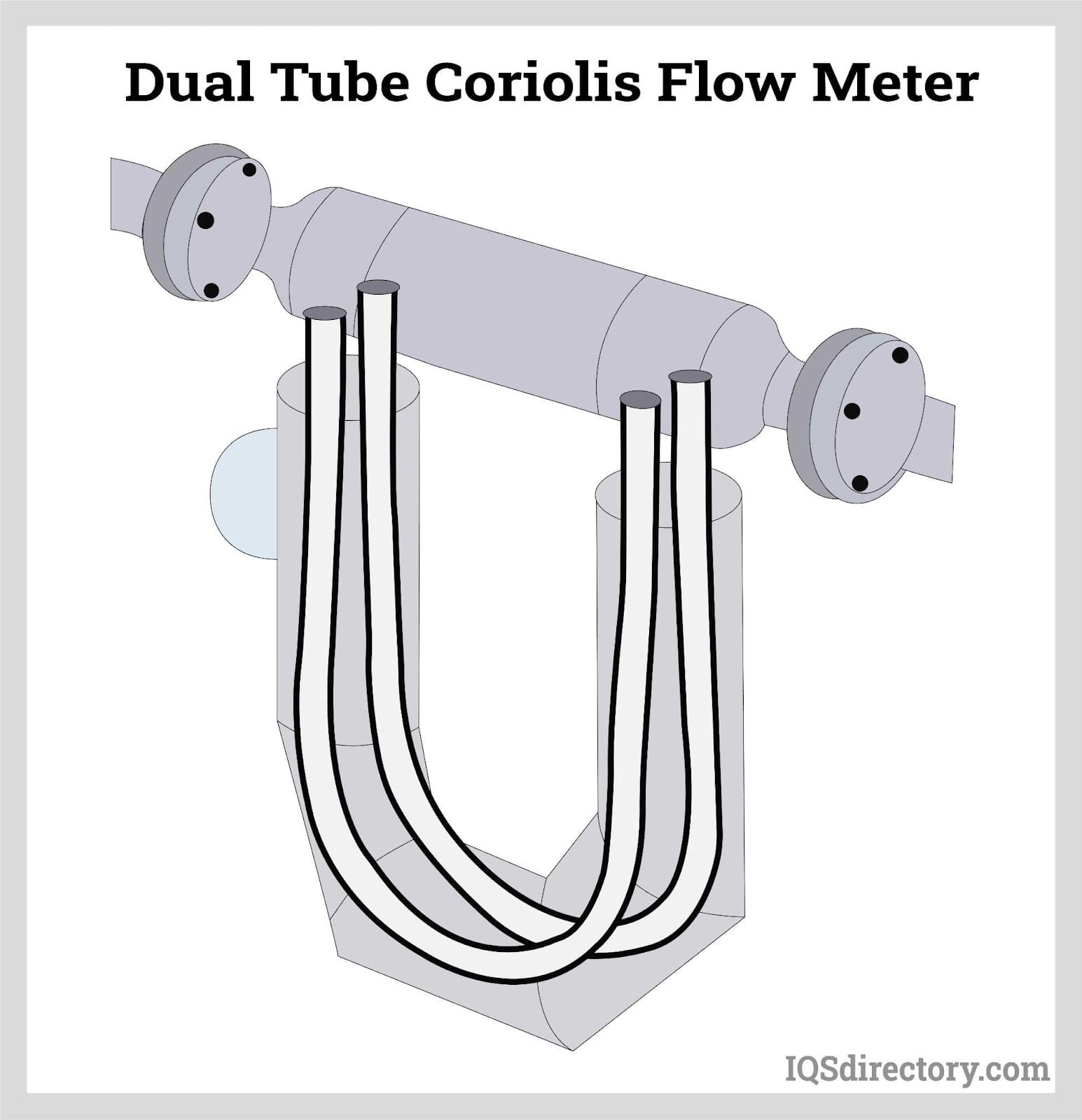
- Coriolis Flow Meters: Direct mass flow measurement, high accuracy, but high cost and complex installation.
Looking for more detailed comparisons? Explore our flow meter selection guide to see side-by-side features, benefits, and typical applications for each technology.
Frequently Asked Questions About Venturi Flow Meters
How do I calibrate a Venturi flow meter?
Venturi meters are calibrated using traceable standards and reference fluids to ensure accuracy. Calibration should be performed in accordance with industry best practices and at intervals recommended by the manufacturer. Many suppliers offer calibration services and documentation for regulatory compliance.
Can a Venturi meter be used for both liquids and gases?
Yes, Venturi meters are suitable for a wide range of fluids, including water, air, natural gas, steam, and various chemicals. The meter must be properly sized and constructed of materials compatible with the process fluid.
What maintenance does a Venturi flow meter require?
Venturi meters have no moving parts and require minimal maintenance. Periodic inspection for blockages, corrosion, or buildup is advised, especially in applications with dirty or particulate-laden fluids.
How do I install a Venturi flow meter?
Proper installation is key for accurate measurement. Ensure sufficient straight pipe runs upstream and downstream, follow manufacturer recommendations for orientation, and confirm secure connections for pressure taps and transmitters. Professional installation is recommended for critical applications.
Choosing the Correct Venturi Flow Meter Manufacturer
To ensure the most beneficial outcome when purchasing Venturi flow meters from a Venturi flow meter manufacturer, it is important to compare several companies using our directory of Venturi flow meter manufacturers. Each manufacturer has a business profile page illustrating their areas of experience and capabilities, along with a contact form to directly communicate with the manufacturer for more information or request a quote. Review each Venturi flow meter business website using our proprietary website previewer to quickly learn what each company specializes in. Then use our simple RFQ form to contact multiple Venturi flow meter businesses with the same form.
Ready to Request a Quote or Need More Information?
Start your search for the ideal Venturi flow meter by:
- Reviewing profiles of certified Venturi flow meter manufacturers
- Comparing product options, specifications, and industry certifications
- Requesting technical data sheets or case studies for similar applications
- Submitting your requirements through our RFQ form for customized pricing and recommendations
Still have questions about Venturi flow meters or need expert advice? Contact our technical team or browse our directory for more information, application support, or to request a quote for your next project.
 Flow Gauges
 Flow Indicators
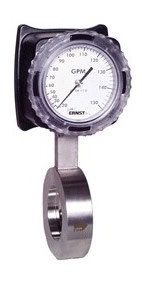 Flow Meters
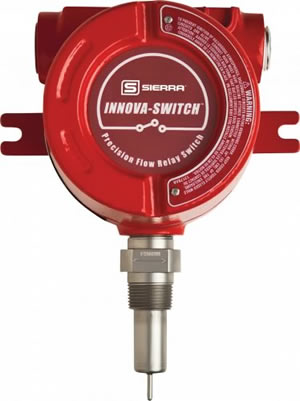 Flow Switches
 Castings & Forgings
 Bulk Material Handling
 Electrical & Electronic Components
 Flow Instrumentation
 Hardware
 Material Handling Equipment
 Metal Cutting Services
 Metal Forming Services
 Metal Suppliers
 Motion Control Products
 Plant & Facility Equipment
 Plant & Facility Supplies
 Plastic Molding Processes
 Pumps & Valves
 Recycling Equipment
 Rubber Products & Services