Water flow meters are designed to measure the flow rate of water, slurries, or other fluids that flow through a pipe or channel in cubic feet or cubic meters. The type of water flow meter used depends on the usage volume and environment. They are used at water sources and various parts of a water system to calculate the flow rate. In recent years, a great deal of emphasis has been placed on monitoring, measuring, and controlling the flow of water, which has led to the increased use of water meters. As technology has advanced and more sophisticated methods have been developed, the accuracy and reliability of water meters have significantly improved. Read More…
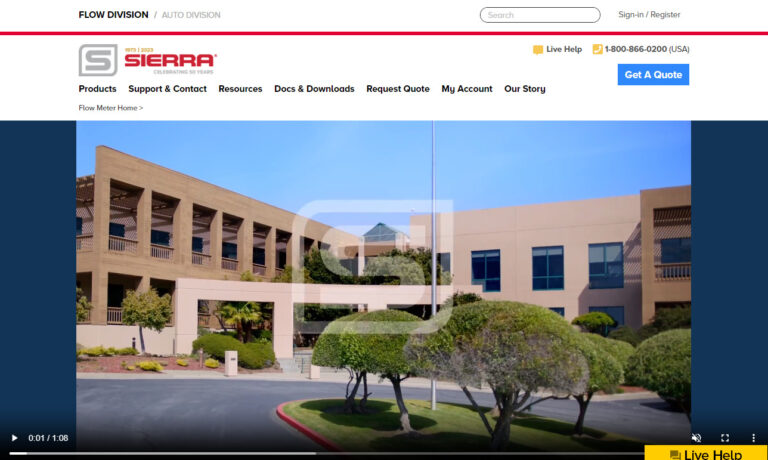
Sierra manufacturers high performance mass flow meters and controllers for nearly any gas, liquid or steam. Customers choose Sierra when they need an accurate and repeatable flow measurement, short delivery lead times, expert flow advice and long term support. When it matters, choose Sierra. Visit www.sierrainstruments.com.
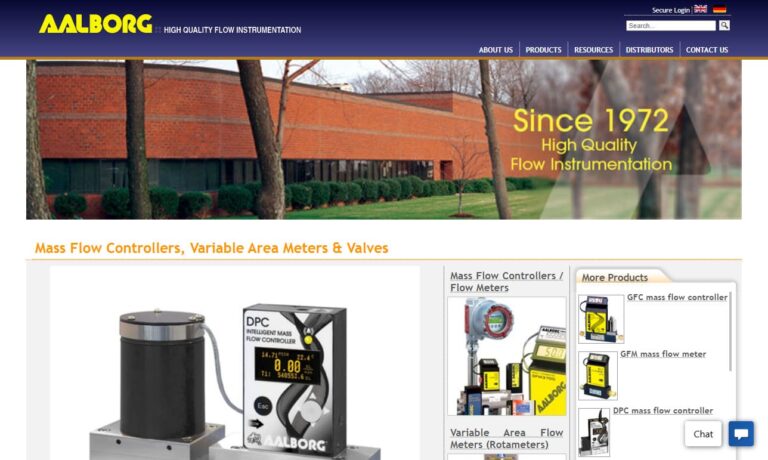
Aalborg Instruments & Controls is a globally recognized manufacturer of precision instrumentation for flow measurement and control. We offer variable area flow meters, thermal mass flow controllers, and more. Since our founding in 1972, it has been our commitment to develop, produce and deliver the highest quality products and services, as well as consistently meet or exceed customer...
Ryan Herco Flow Solutions is a leading national distributor for fluid handling products. Our family of products include; Flowmeters, sensors, instrumentation tubing and hose, process pipe and fittings, valves, pumps, filters and filter systems, storage and drums, and corrosion resistant structural products. We have 29 U.S. Service Centers ready to serve you.

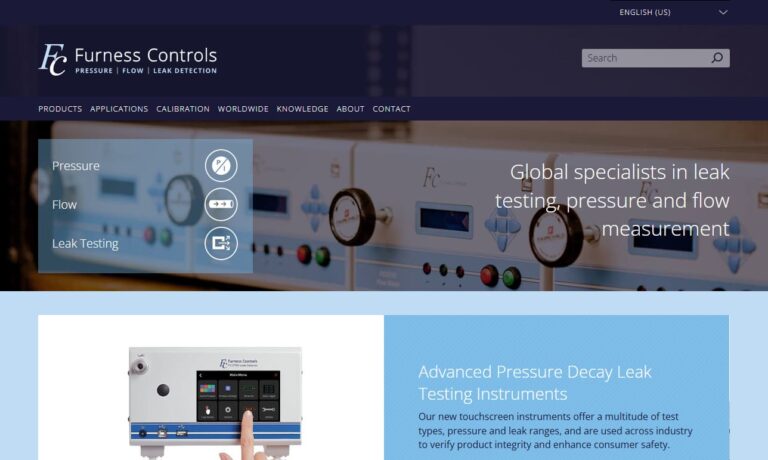
Our flow meters are meticulously designed with you in mind. Our products have an unrivaled reputation, because we spend hundreds of engineering hours working on new and better ways to improve our products. No matter what you need, we can get if for you! Our staff is dedicated to helping you every step of the way. Contact us today for more info!
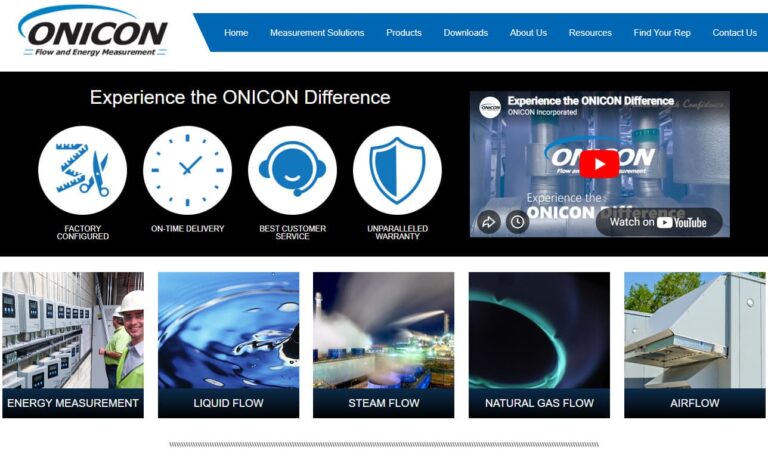
We are ONICON Incorporated, a leading manufacturer of flow meters and energy measurement systems. Our products and solutions are used in a wide range of applications, including HVAC, building automation, and industrial processes.



More Water Flow Meter Manufacturers

Mechanical Water Meters: Accurate and Reliable Flow Measurement Solutions
Mechanical water meters are essential instruments used across residential, commercial, and industrial water systems to measure and monitor water usage. By measuring the volumetric flow rate using internal moving parts, such as paddlewheels, displacement mechanisms, or turbines, these flow meters offer a tried-and-true solution for metering water. As water passes through the mechanical flow meter, the rotation of its internal components is directly proportional to the flow rate, providing readings in units such as gallons per minute (GPM) or cubic meters per hour (m³/h). Mechanical water flow meters are valued for their high accuracy, durability, and cost-effectiveness, making them one of the most common and time-tested water metering technologies.
Despite their widespread use, mechanical water meters can experience wear over time due to particulate matter and impurities in the water, which may affect their accuracy and require periodic maintenance or calibration. For many users, the balance between accuracy, upfront cost, simplicity, and mechanical robustness makes them an excellent choice for a wide range of applications, from measuring water consumption in homes and buildings to process monitoring in manufacturing plants.

Types of Mechanical Water Flow Meters: Positive Displacement, Turbine, and Paddlewheel Designs
Positive displacement mechanical flow meters are renowned for their precision in low to moderate flow ranges, making them well-suited for residential water metering and certain commercial or industrial processes. With a chamber that temporarily halts water flow, a revolving mechanism rotates based on the force and volume of the flowing water. The rotation of this mechanism is then translated into a precise flow rate measurement. Other mechanical flow meters, such as turbine flow meters and paddlewheel flow meters, are often used in higher flow rate applications where continuous monitoring and minimal pressure drop are desired.
Common Positive Displacement Water Flow Meter Types
- Piston – Piston-type flow meters feature a reciprocating piston connected to a cylinder. As water fills the cylinder, the piston advances and withdraws in repeated strokes. Each completed stroke corresponds to a specific volume, allowing for precise calculation of total flow and flow rate. These meters are highly accurate and frequently used in domestic water metering.
- Gear – Water flowing through the meter rotates an internal gear. The rotational speed of the gear is directly proportional to the flow rate. Gear-type mechanical water meters are durable and suitable for various commercial and industrial applications.
- Oval Gear – Oval gear meters use two counter-rotating oval gears that trap and transfer a fixed volume of water with each rotation. These meters are valued for their reliability and are commonly used for viscous fluids as well as water.
- Helical Gear – Helical gear meters have spiral-shaped gears, functioning similarly to oval gear meters. The helical design allows for smooth operation and high accuracy even in challenging flow conditions. They are ideal for applications requiring precise volumetric measurement.
- Nutating Disk – Nutating disk meters have a central ball and a disk that wobbles (nutates) as water fills and empties the chamber. The number of nutations is directly related to the total volume of water measured, making them a staple for residential water metering worldwide.
- Rotary Vane – Rotary vane meters employ an impeller with multiple vanes, dividing the chamber into separate compartments. Each complete rotation of the impeller represents a known volume, providing an accurate flow measurement.
- Diaphragm – Diaphragm flow meters operate by filling and emptying an oscillating diaphragm. The frequency of oscillation is proportional to the flow rate, allowing for precise metering even at low flow levels.

Where Are Mechanical Water Flow Meters Used?
Mechanical water meters are widely used in diverse sectors. Common applications include:
- Residential water metering: Accurate billing for household consumption
- Commercial water systems: Office buildings, hotels, and retail centers
- Industrial water management: Process control, cooling systems, and manufacturing
- Irrigation and agriculture: Monitoring water usage in farms and greenhouses
- Municipal water supply: Distribution network management and leak detection
Are you interested in learning how to select the right mechanical water meter for your application? What factors should you consider when choosing between piston, nutating disk, and turbine designs? Explore our resources or contact our experts to get personalized recommendations.
Magnetic Water Flow Meters: Non-Intrusive, Low-Maintenance Monitoring
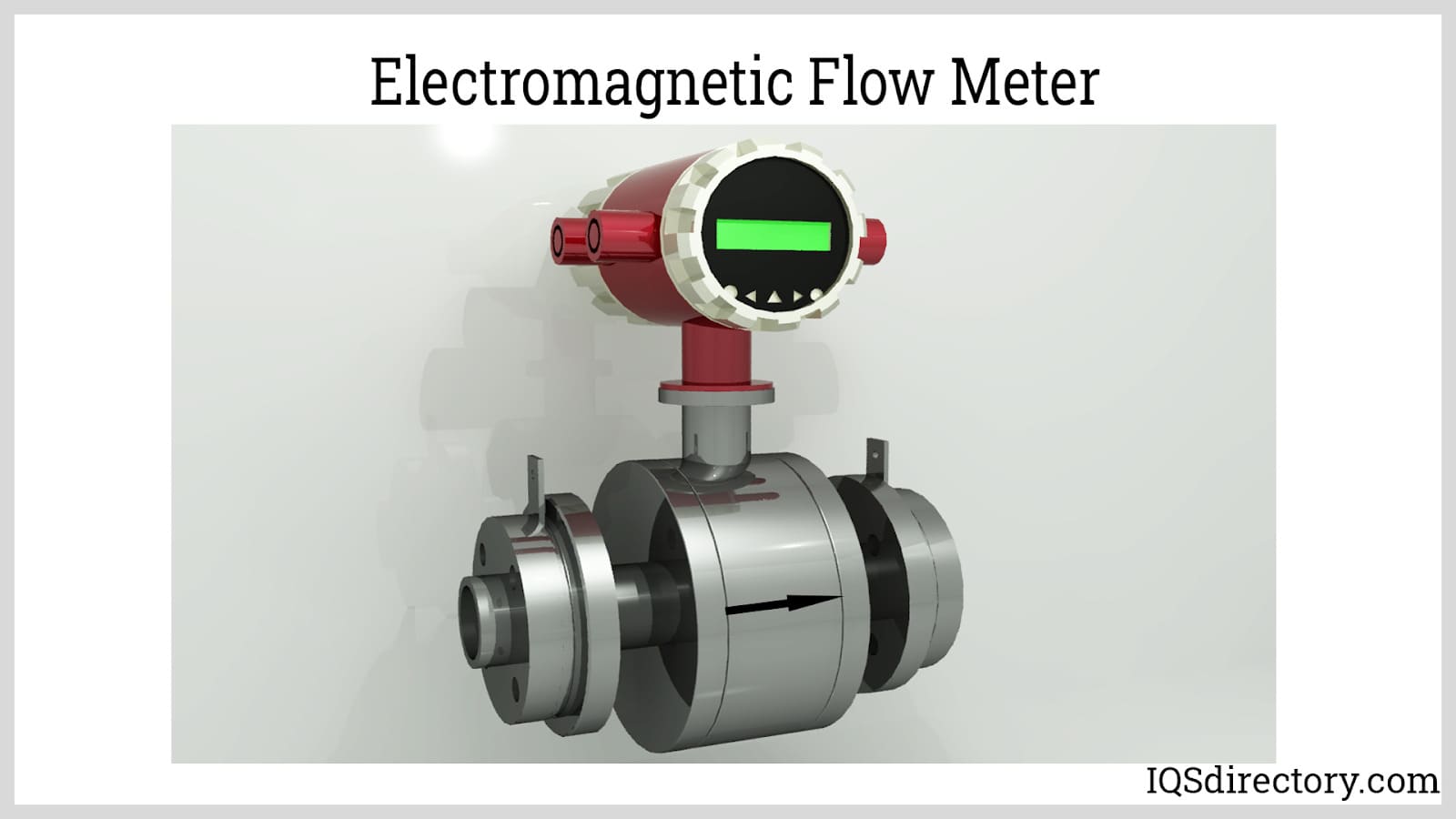
Magnetic water flow meters, also known as electromagnetic (mag) meters, leverage the principle of electromagnetic induction to measure flow rates. Unlike mechanical meters, mag meters contain no moving parts, which minimizes maintenance and offers longer service life, especially in challenging or abrasive environments. A magnetic field is generated perpendicular to the flow path, and as water (which must be conductive) passes through, it induces a voltage proportional to the velocity of the flow. This voltage is detected by electrodes and converted into a flow rate reading.
Are you searching for a water flow meter with minimal pressure drop and no moving parts? Magnetic meters are ideal for applications involving dirty, sludgy, or corrosive water, such as wastewater treatment, chemical processing, and industrial water distribution. However, they are not suitable for pure or distilled water, as these lack sufficient electrical conductivity. Accuracy is generally high, but for custody transfer or billing, regulatory approvals may be required.
Advantages of Magnetic Water Flow Meters
- No moving parts: Reduced maintenance and lower risk of mechanical failure
- Low pressure drop: Unobstructed flow path ensures minimal energy loss
- Suitable for contaminated or slurry flows: Handles fluids with particulates, chemicals, or suspended solids
- Digital output and integration: Easily interfaces with SCADA, PLC, or building automation systems for remote monitoring
- Wide operational range: Effective in large-diameter pipes and high-flow systems
Considering a mag meter for your facility? Compare the total cost of ownership, installation requirements, and compatibility with your water quality before making a decision.
Ultrasonic Water Flow Meters: Advanced, Non-Contact Flow Measurement
Ultrasonic water flow meters offer cutting-edge, non-intrusive measurement by using high-frequency sound waves to determine the velocity of water flow. These meters are ideal for applications where minimal pressure drop, zero contamination risk, or installation flexibility is critical. There are two main types of ultrasonic flow meters: Doppler and Transit-Time (Time-of-Flight).
Doppler ultrasonic meters are designed for water containing particles or bubbles. They transmit ultrasonic signals that reflect off suspended materials; the frequency shift (Doppler effect) between the transmitted and received signals correlates to the flow velocity. These are commonly used in wastewater, slurries, and raw water applications.
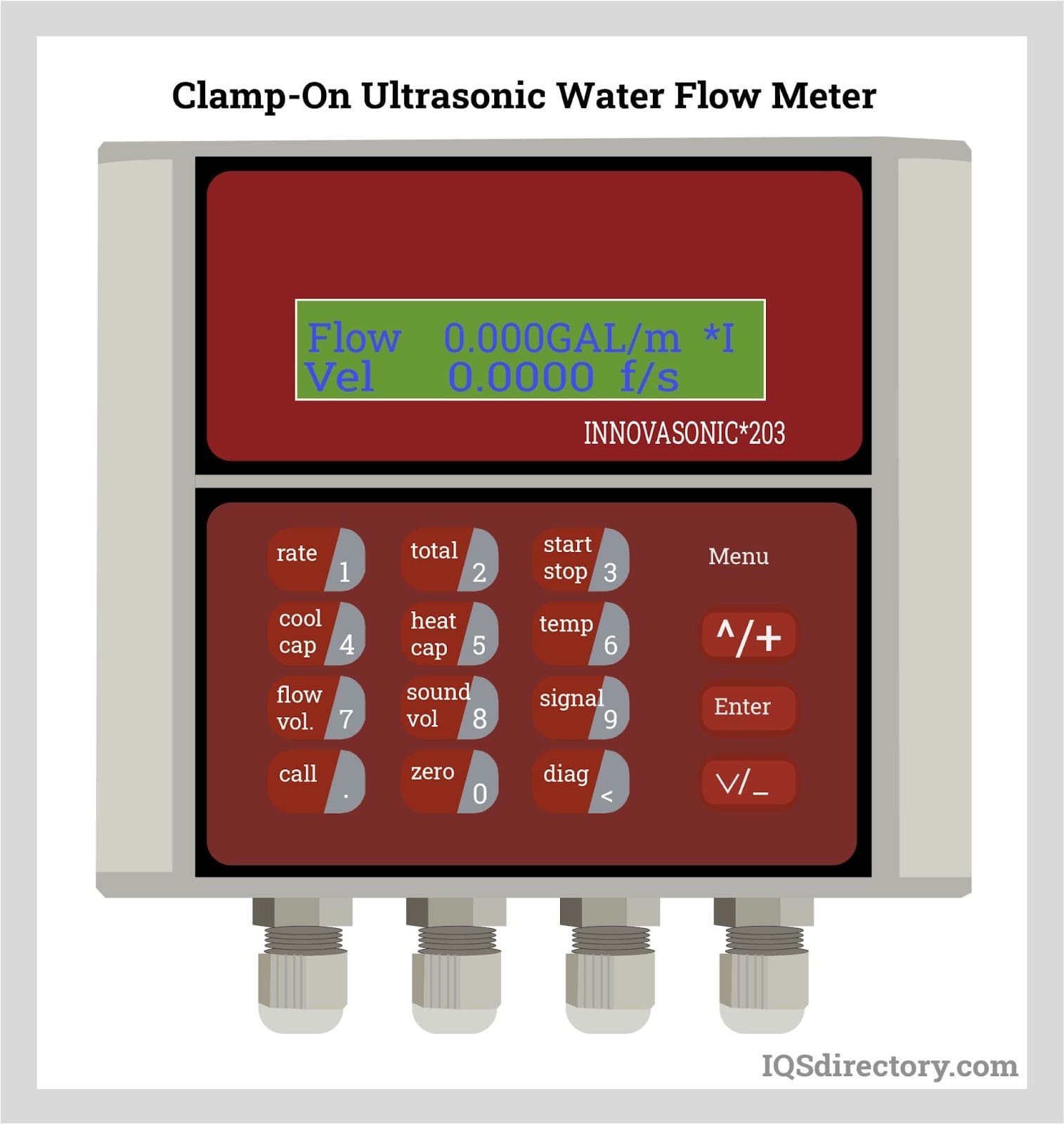
Transit-Time ultrasonic meters (also known as Time-of-Flight meters) use a pair of transducers placed upstream and downstream of the flow. They measure the difference in travel time between ultrasonic pulses moving with and against the flow. The greater the time difference, the higher the flow rate. These meters are best suited for clean or moderately clean water and can be installed externally (clamp-on) or inline.
Why consider an ultrasonic flow meter? They are perfect for retrofitting existing pipelines, monitoring high-value water distribution, or measuring flow in large diameter pipes where mechanical or magnetic meters may be impractical. Ultrasonic meters also provide high accuracy, rapid response, and digital data integration for smart water management.

Benefits and Limitations of Ultrasonic Water Flow Meters
- No moving parts: Virtually maintenance-free operation
- Non-intrusive installation: Clamp-on designs avoid cutting pipes or stopping flow
- Versatile applications: Potable water, process water, HVAC, irrigation, and industrial fluids
- High accuracy and repeatability: Suitable for billing and regulatory compliance
- Digital integration: Compatible with modern automation and building management systems
- Limitations: Doppler models require particulates; transit-time models need relatively clean water
Want to know if an ultrasonic water flow meter is right for your project? Ask about compatibility with your pipe material, pipe diameter, and water quality. Our technical experts can help you compare ultrasonic versus mechanical and magnetic options for your use case.
Other Water Flow Meter Technologies
While mechanical, magnetic, and ultrasonic water flow meters are the most prevalent, several other technologies may be suitable for specific applications:
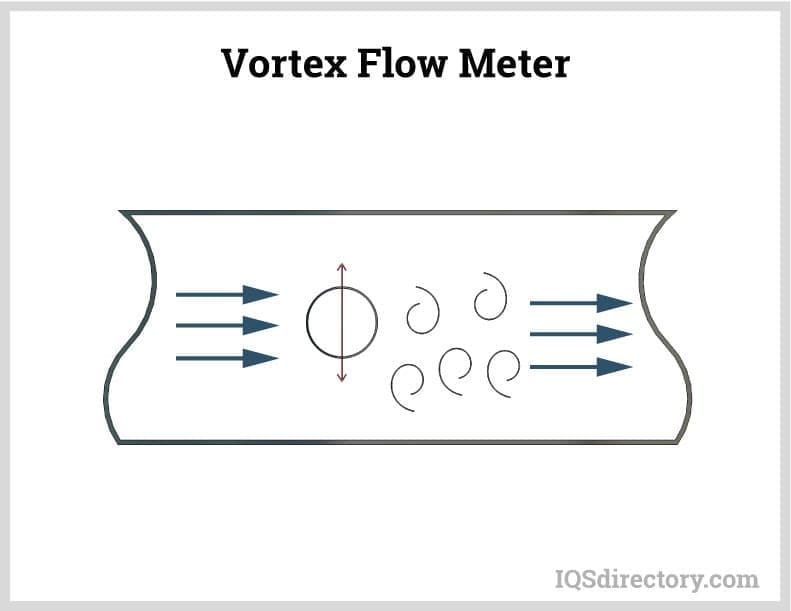
- Vortex flow meters: Utilize the vortex-shedding principle to measure flow, ideal for high-velocity water in industrial settings.
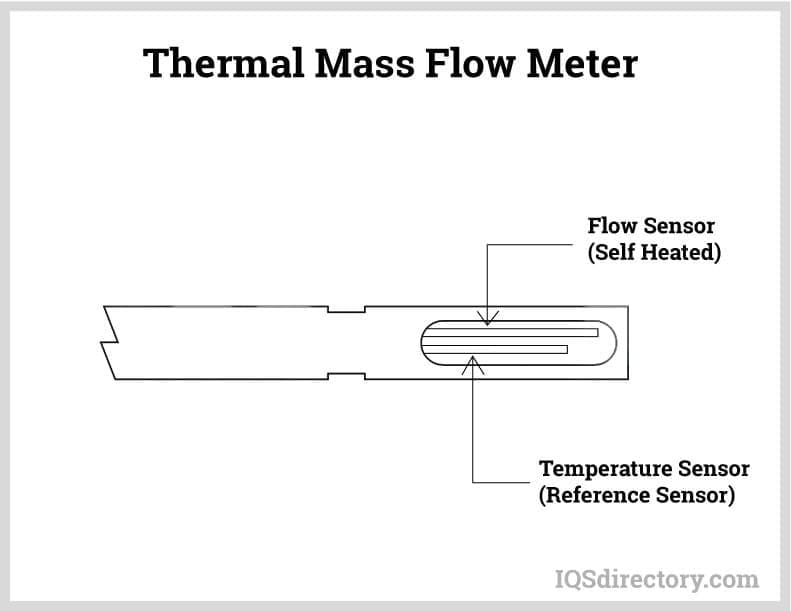
- Thermal mass flow meters: Measure flow based on heat transfer, often used in specialty industrial and laboratory applications.
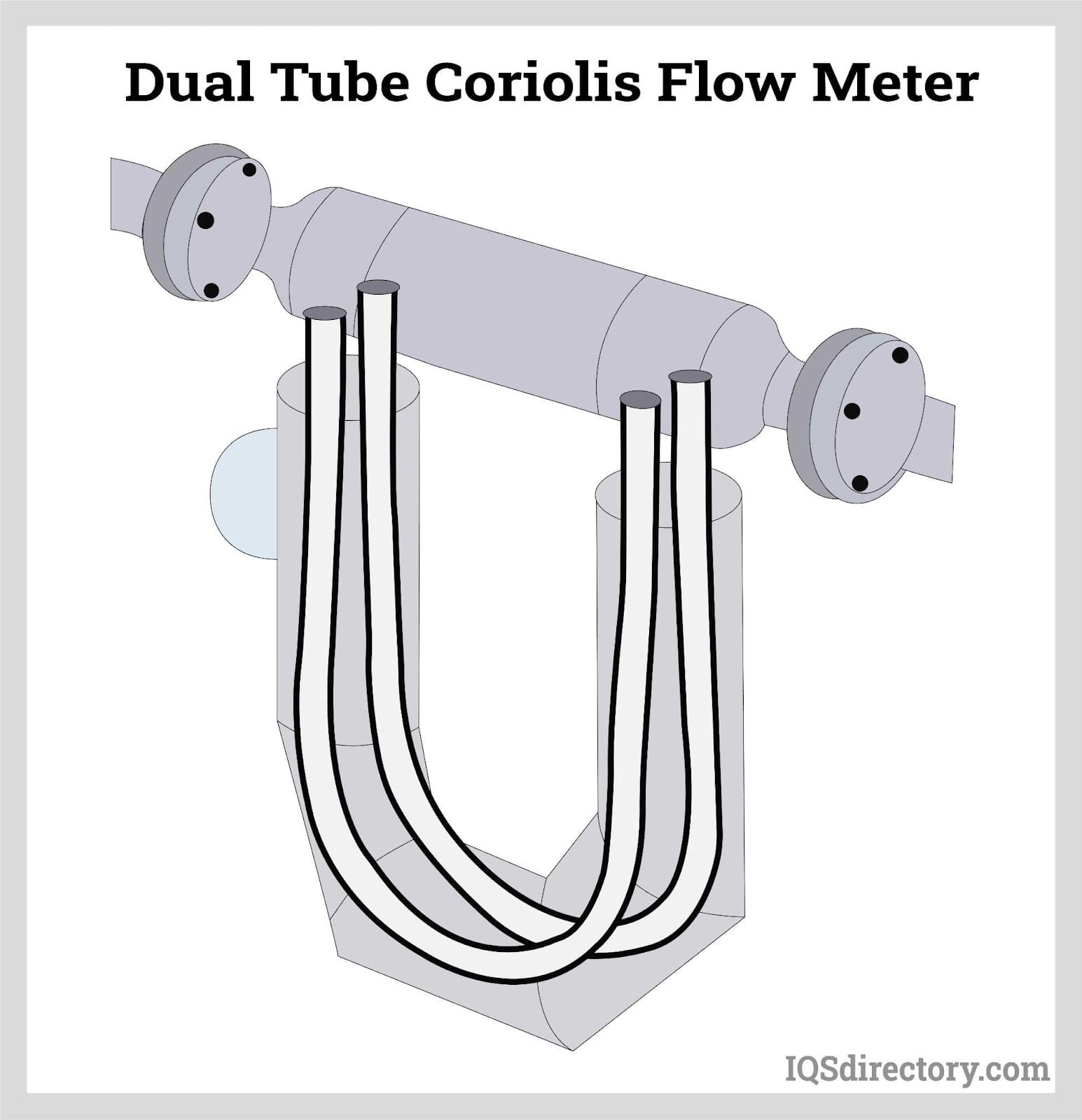
- Optical and Coriolis flow meters: Provide extremely high accuracy for specialty or research use, but are less common for general water metering due to cost and complexity.
Are you unsure which flow meter technology best fits your requirements? Use our comparison guides or reach out for a custom consultation.
Key Factors to Consider When Selecting a Water Flow Meter
Choosing the best water flow meter for your application involves evaluating several critical factors. Understanding your system requirements will help ensure accurate measurement, long-term reliability, and a strong return on investment. Here are key decision factors to consider:
- Flow range: Minimum and maximum expected flow rates
- Pipe size and material: Compatibility with your existing infrastructure
- Water quality: Presence of particulates, chemicals, or corrosive elements
- Installation environment: Temperature, pressure, accessibility, and space constraints
- Accuracy requirements: Billing, process control, or regulatory compliance needs
- Maintenance: Frequency, complexity, and cost of service
- Integration: Compatibility with digital monitoring, automation, and data logging systems
- Budget: Upfront cost, installation expenses, and total cost of ownership
Researching water flow meters? Explore our water flow meter directory to compare suppliers, specifications, and customer reviews.
Industry Use Cases and Applications for Water Flow Meters
Water flow meters are indispensable instruments for monitoring, controlling, and optimizing water usage in a wide variety of industries. Here are some of the most common use cases:
- Municipal water supply: Ensuring accurate billing, detecting leaks, and managing distribution
- Building and facility management: Tracking water use for sustainability and cost allocation
- Irrigation and agriculture: Managing irrigation schedules and water conservation
- HVAC systems: Measuring chilled and hot water flow for efficiency
- Industrial process control: Monitoring water use in cooling, cleaning, and manufacturing
- Environmental monitoring: Assessing river, stream, or groundwater flow for research and compliance
- Wastewater treatment plants: Managing influent and effluent flows
- Food and beverage production: Ensuring process consistency and quality
Looking for a solution tailored to your industry? Contact us for case studies or to discuss your specific water flow metering needs.
Benefits of Accurate Water Flow Measurement
- Cost savings: Optimize water usage and reduce waste
- Regulatory compliance: Meet municipal, state, or federal reporting requirements
- Leak detection: Identify and address inefficiencies before they become costly problems
- Process optimization: Improve resource allocation and operational efficiency
- Sustainability: Track and achieve water conservation goals
- Customer satisfaction: Enable fair and accurate billing for end users
How to Source the Right Water Flow Meter Supplier
To ensure the most beneficial outcome when purchasing water flow meters from a water flow meter supplier, it is important to compare several companies using our directory of water flow meter suppliers. Each water flow meter supplier has a comprehensive business profile page that highlights their areas of expertise, product offerings, and service capabilities. You can use the built-in contact form to reach out directly for product details, technical support, or a custom quote.
Ready to streamline your supplier research? Review each water flow meter business website using our patented website previewer to quickly learn what each business specializes in. Then, use our simple RFQ (Request for Quote) form to contact multiple water flow meter companies with a single submission—saving you time and ensuring you receive competitive pricing and solutions tailored to your requirements.
Frequently Asked Questions About Water Flow Meters
- What is the difference between a mechanical and an electronic water flow meter? Mechanical meters use moving parts to measure flow, while electronic meters (such as magnetic and ultrasonic) use advanced sensors and have no moving parts, reducing maintenance and increasing longevity.
- How often should I calibrate my water flow meter? Calibration frequency depends on meter type, application, and manufacturer recommendations. For critical applications, annual calibration is common.
- Can water flow meters be used for other liquids? Many meter types can measure other fluids—check compatibility with your specific liquid, especially considering viscosity, conductivity, and corrosiveness.
- What is the typical lifespan of a water flow meter? Mechanical meters often last 5-15 years; electronic meters can last up to 20 years or more with proper maintenance.
- How do I select the right meter for my application? Consider flow rate, pipe size, installation environment, accuracy needs, water quality, and your integration requirements. Our experts can guide you through the selection process.
Get Started: Request a Quote or Technical Consultation
Ready to find the ideal water flow meter for your project or facility? Contact our network of leading water flow meter manufacturers and suppliers today for product selection assistance, technical advice, or a fast quote. Whether you need a replacement meter, a large-scale metering solution, or a custom system integration, our partners offer a full range of products, including mechanical, magnetic, ultrasonic, and specialty water flow meters.
Not sure where to begin? Browse our supplier directory, compare leading brands, read customer testimonials, and submit your RFQ to connect with the best water flow meter companies in the industry.
 Flow Gauges
 Flow Indicators
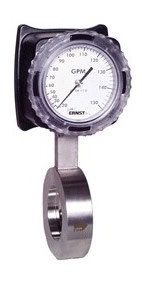 Flow Meters
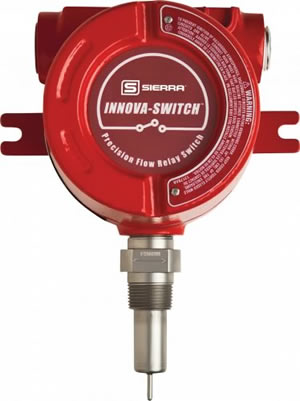 Flow Switches
 Castings & Forgings
 Bulk Material Handling
 Electrical & Electronic Components
 Flow Instrumentation
 Hardware
 Material Handling Equipment
 Metal Cutting Services
 Metal Forming Services
 Metal Suppliers
 Motion Control Products
 Plant & Facility Equipment
 Plant & Facility Supplies
 Plastic Molding Processes
 Pumps & Valves
 Recycling Equipment
 Rubber Products & Services